
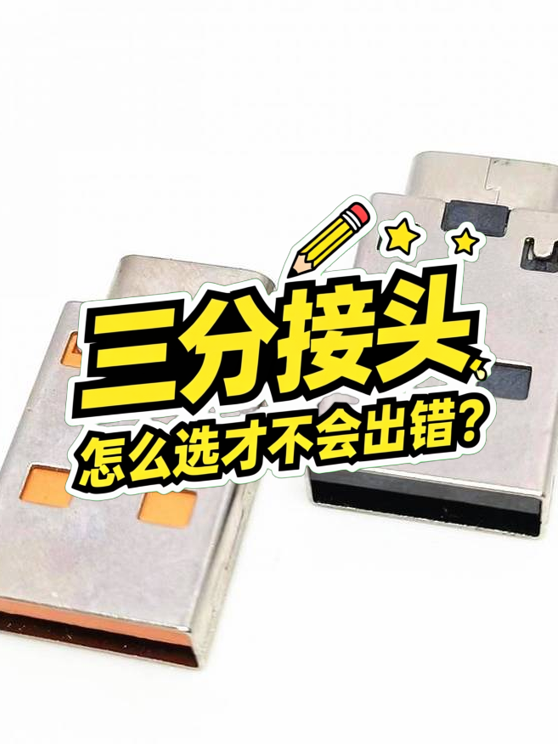


Sourcing the Q kai right three-way connector can prevent costly Ssystem failures and downtime, but with so many options, how do you ensure you're making the right choice? This guide will help you navigate the key decision points to avoid common pitfalls in selecting three-way connectors.
一、Understanding the Basics: What Makes Three-Way Connectors Differ
Three-way connectors may look similar at a glance, but their performance varies significantly based on three critical dimensions:
- Material: Plastic connectors are lightweight and corrosion-resistant, ideal for low-pressure applications, while metal variants offer higher durability under stress.
- Interface Type: Threaded connections provide a secure, leak-proof fit for permanent installations, whereas quick-connect options facilitate easier maintenance in dynamic systems.
- Pressure Rating: This often-overlooked specification determines whether the connector can handle your system's operational demands without failure.
Matching these parameters to your specific application requirements is the first step toward a reliable connection solution.
二、Beyond Specifications: Hidden Factors That Impact Performance
Even when specifications seem adequate, environmental factors can lead to premature failure. Temperature fluctuations, for instance, cause materials to expand and contract, potentially compromising seal integrity over time.
Chemical compatibility is another silent threat. A connector that performs flawlessly with water may degrade rapidly when exposed to certain industrial fluids or cleaning agents.
To mitigate these risks, consider the full operating environment—not just the immediate connection requirements—when making your selection.
三、不同工况下如何选择三分接头的替代方案?
当标准三分接头无法满足特殊需求时,
- 转接头更适合解决接口类型转换问题,例如将快插式改为螺纹连接
- 变径接头则用于处理管道直径差异,特别是需要保持介质流速稳定的场景